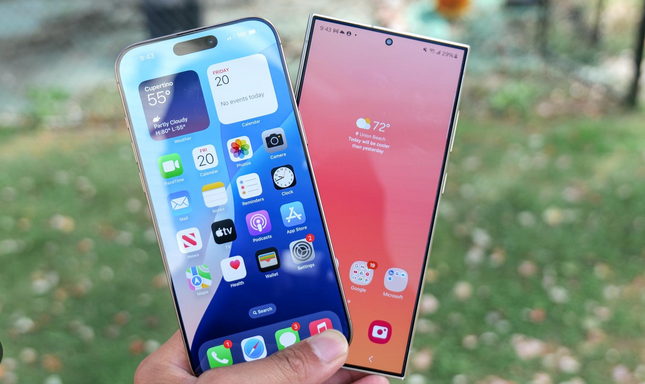
In today’s smartphone-driven world, choosing the right phone is one of the most important technology decisions you’ll make. Two major mobile ecosystems dominate the market: Apple’s iPhone (iOS) and Android smartphones. Both platforms offer powerful devices, comprehensive features, and access to millions of apps. However, which one should you buy — especially if you are shopping on Amazon?
This article compares these two platforms in depth without any bias, focusing on key factors like design, performance, cameras, software experience, ecosystem integration, value for money on Amazon, accessories, security, updates, and more. By the end, you should have a clear idea of which smartphone fits your needs and budget.

1. Overview of iPhone and Android
iPhone (iOS)
Apple’s iPhone runs on iOS — a mobile operating system known for smooth performance, strong privacy features, and long software support. iPhones are designed by Apple and come in limited models every year, such as the iPhone 15 series, iPhone SE, etc.
Android
Android is an operating system developed by Google and used by many manufacturers — Samsung, Google Pixel, OnePlus, Xiaomi, Motorola, and more. Android phones come in a wide range of prices, sizes, and capabilities.
2. Buying from Amazon: What You Should Know
Amazon is one of the largest online marketplaces where you can buy both iPhones and Android phones. When shopping on Amazon, you should pay attention to:
-
Seller reputation
-
Return policy
-
Warranty coverage
-
Price comparisons
-
Official vs refurbished/pre-owned listings
Amazon often lists brand new, renewed (like new), and used phones. Buying a renewed phone can be a great way to save money, but always check the condition, warranty, and return options.
3. Design and Build Quality
iPhone Design
Apple is known for premium build quality with materials like glass and aluminum or surgical-grade stainless steel. iPhones typically have a minimalist and sleek design that many users find attractive.
Pros
-
Premium materials
-
Uniform design language across models
-
Comfortable in hand
Cons
-
Less variety in physical design
-
No expandable storage
Android Design
Android phones vary greatly in design. Some flagships like Samsung Galaxy or Google Pixel models use premium materials similar to iPhones, while budget Androids may use plastic.
Pros
-
Variety in sizes, colors, and materials
-
More customization options (e.g., curved screens, different button placements)
-
Often include features like expandable storage
Cons
-
Build quality can vary between models
Winner: Tie, unless you prefer a specific look or feel.
4. Display Quality
iPhone Display
iPhones typically use OLED displays in their higher-end models, known for vibrant colors and deep blacks. Apple also uses True Tone and high refresh rates (ProMotion) in Pro models.
Pros
-
Excellent color accuracy
-
High brightness and contrast
-
Smooth scrolling in Pro models
Cons
-
Premium display features only on higher models
Android Display
Android phones offer displays from IPS LCD to OLED and sometimes AMOLED with high refresh rates (90Hz, 120Hz, or even 144Hz). Some Android screens are among the best in the industry.
Pros
-
High refresh rates on many models
-
Excellent flagship displays
-
Great range from budget to premium
Cons
-
Budget phone displays may not be as vibrant
Winner: Android for variety and best-in-class display options, though iPhones are still excellent.
5. Performance and Speed
iPhone Performance
iPhones use Apple’s custom chips (A-series) which consistently rank at the top for performance. These chips deliver fast responsiveness, smooth gaming, and efficient multitasking.
Pros
-
Leading CPU and GPU performance
-
Smooth everyday use
-
Long-term speed retention
Cons
-
Performance differences between recent models and older iPhones can be big
Android Performance
Android performance varies by device. Premium phones (e.g., Samsung Galaxy S series, Google Pixel flagship, OnePlus) have powerful processors like Snapdragon or Google Tensor.
Pros
-
Some Android flagships rival or exceed iPhone performance
-
Great performance in mid-range too
-
More RAM on many models
Cons
-
Budget Android phones can be slow
Winner: iPhone for consistent top-tier performance, though high-end Androids compete strongly.
6. Cameras: iPhone vs Android
iPhone Cameras
Apple’s camera systems are known for accurate colors, video strength, and ease of use. iPhone cameras perform well in most lighting conditions and are great for photography beginners and pros alike.
Pros
-
Excellent video recording
-
Consistent photo quality
-
Easy to use
Cons
-
Telephoto and zoom vary by model
Android Cameras
Android phones vary widely. Flagship models like Samsung Galaxy, Google Pixel, and Sony Xperia are known for amazing photos — sometimes even better than iPhones in certain conditions.
Pros
-
Higher megapixel options
-
Variable zoom
-
Advanced camera features
Cons
-
Camera performance varies by brand and model
Winner: Tie, depending on model choice.
7. Software Experience
iPhone (iOS)
iOS is known for simplicity, intuitive design, and smooth updates. Apple controls the entire experience — hardware and software together.
Pros
-
Easy to use
-
Same updates for all devices
-
Strong security
Cons
-
Less customization than Android
Android Experience
Android allows more customization — widgets, launchers, themes, and deep settings. However, updates depend on the manufacturer.
Pros
-
Highly customizable
-
Lots of features and options
-
Easy file access
Cons
-
Updates may be delayed on some devices
Winner: Depends on preference — iPhone for simplicity and punctual updates; Android for customizability.
8. App Ecosystem and App Store
iPhone App Store
iOS has a strong app ecosystem with many apps optimized first for iPhone. Some developers release apps on iOS before Android.
Pros
-
High-quality apps
-
App Store security
-
Early releases
Cons
-
Apps sometimes cost money
Android Google Play & Alternatives
Android offers Google Play Store and alternative stores. You can even install apps from outside sources.
Pros
-
Lots of apps
-
Flexibility
-
More free apps
Cons
-
More risk from third-party installs
Winner: iPhone for app quality and security; Android for flexibility.
9. Battery Life and Charging
iPhone Battery
iPhone battery life varies by model. Recent iPhones have improved battery life significantly and support fast charging and MagSafe wireless charging.
Pros
-
Reliable all-day battery
-
Fast charging
Cons
-
Charger often sold separately
Android Battery
Many Android phones offer large batteries, super-fast charging (sometimes 65W-150W), wireless and reverse charging.
Pros
-
Bigger battery options
-
Faster charging
-
Some support reverse wireless
Cons
-
Super fast charging can degrade battery over time
Winner: Android for charging speed and battery capacity options.
10. Security and Privacy
iPhone Security
Apple emphasizes privacy and security with strong encryption, on-device data handling, and regular security updates.
Pros
-
Excellent privacy controls
-
Face ID and secure enclave
-
Regular security updates
Cons
-
Less freedom sometimes
Android Security
Android is secure, especially on Google Pixel and premium models. However, security timing depends on manufacturers.
Pros
-
Security features like biometric locks
-
Verified boot
-
Play Protect
Cons
-
Delayed patches on some devices
Winner: iPhone for uniform security updates; Android flagships close second.
11. Ecosystem and Accessories
iPhone Ecosystem
Apple’s ecosystem — iPad, Mac, Apple Watch, AirPods — works seamlessly together. Features like AirDrop, Handoff, and Universal Clipboard add convenience.
Pros
-
Seamless device integration
-
Accessories built for iPhone
Cons
-
Often expensive
Android Ecosystem
Android ecosystem depends on brands. Samsung has Galaxy Watches and Buds; Google has Pixel Buds and Nest devices.
Pros
-
Good integrations (e.g., Samsung ecosystem)
-
Variety of accessories
Cons
-
Not as unified as Apple
**Winner: iPhone if you use multiple Apple devices; Android if you prefer variety.
12. Price and Value for Money on Amazon
iPhone Prices on Amazon
iPhones generally cost more. However, Amazon often offers deals or refurbished models at lower prices. Buying slightly older iPhones on Amazon can provide excellent value.
Pros
-
Long life and resale value
-
Great performance and updates
Cons
-
Higher upfront cost
Android Prices on Amazon
Android phones range from budget to flagship — giving options for all budgets.
Pros
-
Huge price range
-
Great value in mid-range
-
Frequent deals
Cons
-
Cheap phones may underperform
Winner: Android for price range and flexibility; iPhone for long-term value.
13. Resale Value
iPhones tend to hold their value better than most Android phones. If you plan to sell your smartphone later, iPhones often fetch higher resale prices.
Winner: iPhone
14. Software Updates and Longevity
iPhone Updates
Apple provides software updates for many years (often 6–7+ years). This means your device stays secure and gets new features longer.
Android Updates
Flagship Androids normally get about 3–4 years of major updates and maybe more security patches. Midrange and budget devices get fewer updates.
Winner: iPhone for longevity.
15. Best Scenarios for Each Choice
Choose iPhone If:
✔ You want long-term software updates
✔ You love a simple, smooth experience
✔ You value privacy and security
✔ You plan to use other Apple products
✔ You want strong resale value
Choose Android If:
✔ You want more options and price flexibility
✔ You like customizing your phone
✔ You need features like expandable storage
✔ You want the best camera or battery life for less money
✔ You prefer different brands
16. How to Choose on Amazon: Practical Tips
-
Filter by Seller: Prefer “Sold by Amazon” or reputable sellers.
-
Check Warranty: Look for official warranty or Amazon Renewed guarantees.
-
Read Reviews: Always read both positive and negative reviews.
-
Compare Prices: Compare new vs. refurbished — sometimes refurbished is almost new at a lower price.
-
Check Return Policy: Ensure a good return window in case the phone isn’t what you expected.
17. Conclusion
Choosing between iPhone and Android depends on your personal needs, preferences, and budget — especially when shopping on Amazon, where you can find a wide range of options.
If you want consistent performance, long updates, resale value, and a polished ecosystem, an iPhone may be the right choice. Apple’s streamlined experience and strong support make it ideal for users who value longevity and simplicity.
If you want range of choices, customization, excellent value across budgets, cutting-edge hardware options, and flexibility, Android is a strong contender. Android devices are suitable for tech enthusiasts, budget-conscious buyers, and those who like variety.
Both ecosystems have matured hugely over the years, and you can’t go wrong with either — but thinking carefully about how you use your phone, what features matter most, and what deals you find on Amazon will help you make a smart purchase.